Until this year a sponsor read was cut into the edit and stayed there for the life of the video. YouTube now runs a slot system for long-form video, and the way sponsorships are found, priced and sold is changing with it.
This guide covers the three ways a deal reaches you in 2026, what a dynamic brand segment is, how one slot gets sold more than once, and what the rate guides say a sponsorship pays.
How do YouTube sponsorships work in 2026?
A brand pays you directly, and YouTube is not in the payment. A sponsorship is a private contract: the brand pays for a mention, an integration or a dedicated video, you disclose it, and the money never passes through YouTube. YouTube’s Creator Partnerships page says it plainly: you “negotiate and sign an agreement directly with the brand, and you will be paid by the brand.”
Three routes to a deal. The email pitch still exists, but two of the three routes now start inside YouTube Studio.
| Route | Who starts it | How you are paid |
|---|---|---|
| Direct outreach | You email the brand, or an agency emails you | By the brand, on the terms you sign |
| YouTube Creator Partnerships | The brand finds you in Google Ads and sends an inquiry to Studio | By the brand, directly |
| Open Call | The brand posts a brief; you submit a video | Through AdSense, within 60 days of selection |
Google’s advertiser documentation makes the same point from the other side. Its page on dynamic brand segments states that “Google isn’t involved in the payment between creators and advertisers,” which is why the brand’s cost columns in Google Ads sit empty for these deals.
If you are under the Partner Program threshold, direct deals and affiliate links are still open to you. Our guide to making money before you are monetized covers both.
Whatever the route, the contract is between you and the brand. YouTube supplies the introduction and, now, the slot.
What is a dynamic brand segment?
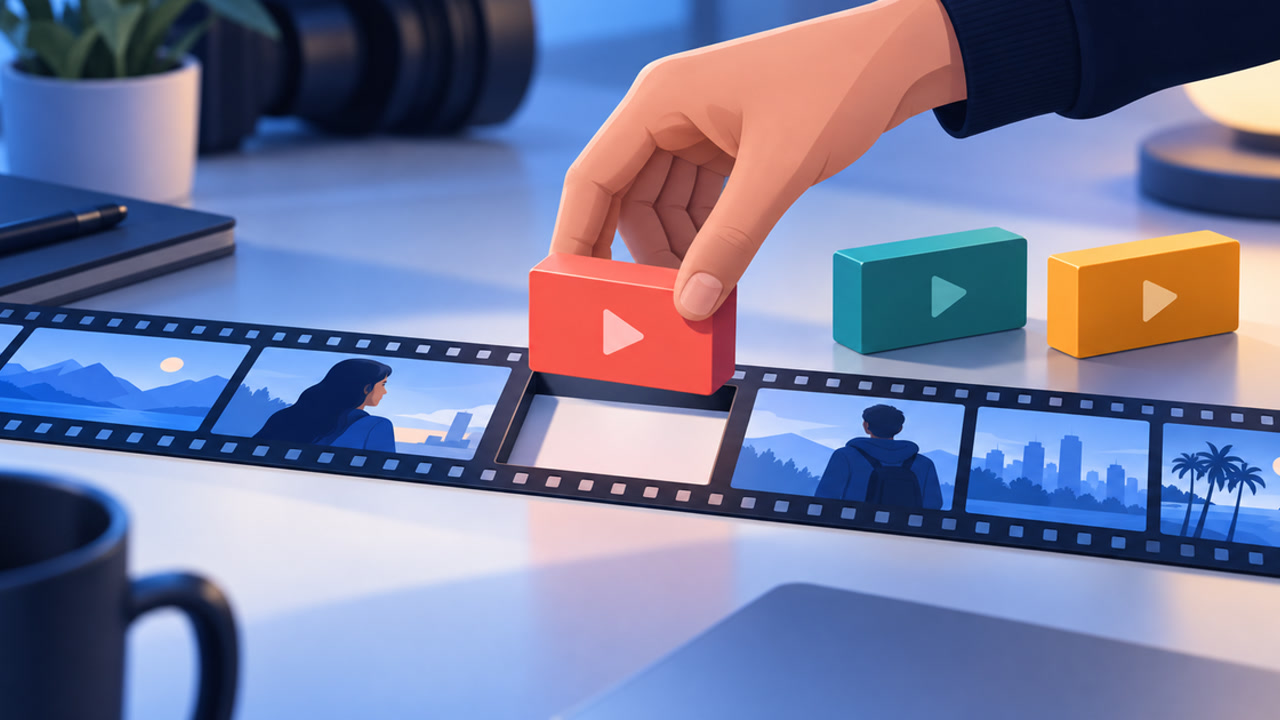
A dynamic brand segment is a separate video, 30 seconds to 3 minutes long, that YouTube plays inside your long-form video at a slot you choose, and that you can change later. YouTube’s September 2025 announcement described it as the ability to “dynamically insert brand segments directly into swappable slots.” The sponsor read stops being part of the edit.
The rules, from YouTube’s help page. The dynamic brand segments page sets out what the two videos must be:
- The segment video: 30 seconds to 3 minutes, set to Unlisted, monetization turned off, creator-led content only, and it has to pass Community Guidelines, paid product placement rules and Google Ads content policies.
- The host video: long-form, at least 8 minutes, monetization on, mid-roll ads on.
- The slot: a predefined mid-roll slot reused as the brand slot, or a custom time you set under Manage slots.
- Reach: one segment can go into up to 20 long-form videos per submission, shown globally or only to viewers in one country.
- Review: once the brand accepts, YouTube’s policy team reviews the segment, typically within 24 hours.
What the viewer sees. On a supported device the segment plays at the slot like a mid-roll. YouTube says viewers on unsupported devices “will watch your long-form video uninterrupted or see a mid-roll ad.”
Support is primarily the mobile app and living room devices during the pilot. Desktop and mobile web roll out through 2026.
Who can use it today. The feature is an invite-only 2026 pilot for Partner Program creators. The setup path is Studio, then Earn, then Partnerships, then Set up under Dynamic brand segments. If the option is not there, your channel has not been invited yet.
The segment’s metrics are reported separately from the host video, and YouTube states that the host video’s overall analytics and revenue reporting stay private. The brand sees the segment’s numbers in Google Ads, not your channel’s.
How do you sell the same sponsor slot more than once?
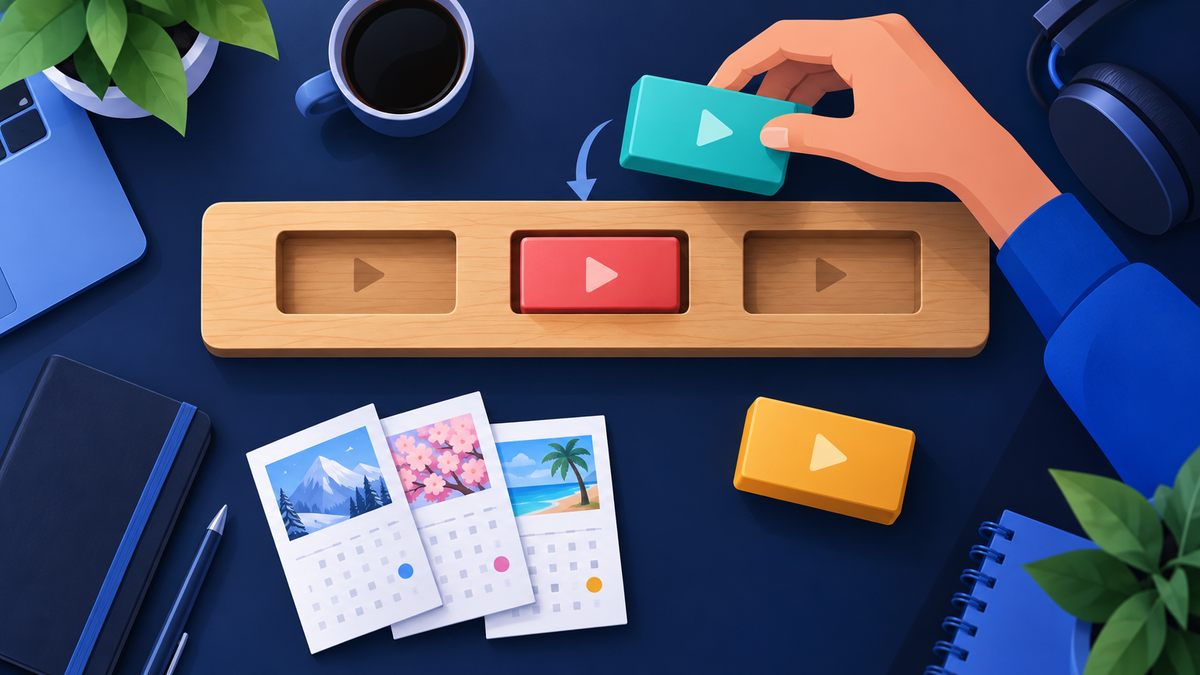
The slot outlives the deal. A burned-in ad read belongs to one brand for as long as the video exists, or until you re-edit and re-upload. A dynamic segment is a slot: when the deal ends you remove the segment, and the same minute of the same video is available to the next brand. YouTube’s announcement lists removal, resale and selling one slot to several brands in different markets as the point of the feature.
Why old videos are worth selling. Most of a video’s audience arrives after the launch week, and both numbers below are the sponsor’s audience too:
- YouTube’s March 2026 Creator Partnerships post puts 40% of video views 30 or more days after upload.
- A 2025 analysis of the top 2,000 US videos found half of their lifetime views arrived after the first 30 days.
A burned-in read gives that second half away for nothing.
A worked example. Take one 12-minute kitchen video with a slot at 4:10. Over a year the slot can carry three deals, each priced on the views the video gets during its window:
| Window | Deal | Segment setting | What plays outside the deal |
|---|---|---|---|
| January to February | Kitchen-scale brand, six weeks | Global | Segment removed; a normal mid-roll ad runs |
| July to August | Knife brand, US launch | United States only | Viewers elsewhere see a mid-roll ad |
| November to December | Meal-kit brand, gift season | Global | Segment removed in January |
Price it as a window, not a lifetime. A permanent integration is priced once, on the views the brand hopes the video gets forever. A slot has a start date and an end date, so the price is the views inside those dates.
The brand takes less risk on a window, which is easier to sell. Shorter windows, sold more often, at a rate per window.
One video, one minute, sold in January, July and November. That is the whole change.
How do you get sponsored on YouTube with a small channel?
Every eligible Partner Program creator is already listed for brands to search, and the setting that gets you found is off until you switch it on. YouTube Creator Partnerships, in the Earn page of YouTube Studio, is where inquiries arrive and where you build a media kit from your own audience insights. Below the Partner Program, deals still come from emailing the brands you already use.
- Turn on insights sharing. In Studio go to Settings, Channel, Advanced settings, and tick “Allow advertisers, brands, and third-party platforms to view channel insights for earning opportunities.” YouTube’s insights sharing page lists what is shared: views, watch time, subscriber count, and audience age, gender and geography.
- Build the media kit. Under Earn, then Partnerships, the customizable media kit fills itself from your analytics. Brands that send an inquiry see it.
- Name the brands you use, on camera. YouTube’s matching uses “organic brand mentions” alongside audience similarity and subscriber growth. A brand searching for creators sees the channels already talking about it. Say the product’s name out loud instead of “this thing.”
- Answer Open Calls. Per YouTube’s Open Call page, briefs go to Partner Program creators in the US, UK and India with 1,000 to 500,000 subscribers who posted a Short in the last 30 days. One video per brief; if the brand selects it, payment goes to your AdSense account within 60 days.
- Get into the Partner Program first. Two of the three routes require it. The current requirements are 1,000 subscribers plus a watch-hours or Shorts-views threshold.
The blocker under all of this is audience. A brand is buying the people who will watch, and a media kit with a small number in the views column gets a small offer.
The fastest fix is to put the video in front of people who would choose to watch it. Sprizzy does that through YouTube’s official ad platform, targeting by keywords, similar channels, location, age and gender, from $50.
How much do YouTube sponsorships pay?
Views multiplied by a rate per thousand views, and the views are the multiplier. Two rate guides updated in 2026 put a standard integration at $10 to $50 per 1,000 views for most niches, rising to $80 and above where advertisers pay most for the audience, such as software and personal finance. Channels under about 10,000 subscribers are usually quoted a flat fee per video instead.
| Niche | Rate per 1,000 views for an integration, 2026 guide |
|---|---|
| Software and developer tools | $40 to $80 |
| Personal finance and investing | $30 to $60 |
| Tech and reviews | $25 to $45 |
| Education and self-improvement | $20 to $40 |
| Beauty and skincare | $18 to $35 |
| Gaming | $15 to $30 |
| Lifestyle and vlog | $15 to $25 |
Those ranges come from a rate guide updated September 2026 and are the guide’s estimates, not disclosed contracts. Treat them as the opening of a negotiation.
The math. A video that reliably gets 20,000 views in its first month, in a niche quoted at $25 per 1,000, prices a one-month window at $500. The same video with 60,000 views in the window prices at $1,500. Nothing else in the formula moved.
Flat fees for smaller channels. The same 2026 guide lists $50 to $500 per integration for channels between 1,000 and 10,000 subscribers, and $200 to $1,500 between 10,000 and 50,000. Dedicated videos and product reviews sit above integrations.
Rate times views. The rate is set by your niche. The views are the part you can change.
What makes a sponsor slot worth more?
Audience, in the country the brand sells in. A dynamic segment can be shown only to viewers in one country, so a US brand is buying your US views inside the window, and the numbers it sees in Google Ads are the segment’s views, engaged views and view rate. Everything that raises the number of people who watch the host video raises the price of the slot.
- Views on the host video, in the window. The slot is priced on them, and the brand’s report is built from them.
- Viewers in the brand’s country. A country-targeted segment only counts the viewers it plays to.
- Engaged views. Google syncs engaged views and view rate to the brand. Our explainer on views versus engaged views covers how YouTube counts them.
- Long-form, 8 minutes or more. Under that length there is no slot to sell.
- Living-room viewers. The pilot supports connected TVs first, where long videos get watched to the end.
This is the part promotion moves. A sponsor slot in your back catalogue is worth exactly what that video’s audience is worth, and the audience is the one input you can buy.
This is exactly what Sprizzy is for: you pick the video and who should see it, and it runs the campaign on YouTube’s own ad platform, real viewers only, no bots, from $50.
Set the location to the brand’s country, and the audience you build is the audience the brand is paying for.
Line the campaign up with the window. Promote the host video to the brand’s country while the segment is live, and the brand’s Google Ads report shows the lift. Sprizzy campaigns start at $50 and your first one comes with a money-back guarantee.
For what a campaign costs and how the budget is spent, see how much it costs to promote a YouTube video.
Common questions
Do you need to be in the YouTube Partner Program to get sponsorships?
Not for a direct deal. Any channel can sign a contract with a brand, disclose it and get paid. The three tools inside YouTube do require the Partner Program: YouTube Creator Partnerships lists eligible Partner Program creators, dynamic brand segments are an invite-only pilot for Partner Program channels, and Open Call goes to Partner Program creators with 1,000 to 500,000 subscribers in the US, UK and India.
Does YouTube take a cut of sponsorship money?
YouTube's Creator Partnerships page says you negotiate and sign directly with the brand and are paid by the brand, and Google's advertiser page on dynamic brand segments states that Google isn't involved in the payment between creators and advertisers. The exception is Open Call, where a selected video is paid through your AdSense account within 60 days. Neither page publishes a fee schedule, so check your own agreement.
How do you disclose a sponsorship on YouTube?
Tick the paid promotion box in the video details, labelled "Yes, my video includes branded content," and YouTube adds a disclosure label at the start of the video. YouTube's paid product placement page adds that you and your partners are responsible for complying with all applicable legal requirements, which in the US means the Federal Trade Commission's endorsement rules: say it clearly, in the video, not only in the description.
Can you put a dynamic brand segment in a YouTube Short?
No. YouTube's help page requires the host video to be long-form, at least 8 minutes, with monetization and mid-roll ads turned on, and the segment itself to be 30 seconds to 3 minutes long. Shorts have their own brand tools: Shorts brand links, announced in September 2025, let a Shorts creator add a direct link to a brand's site for a deal and see the conversion data.
How many subscribers do you need for YouTube sponsorships?
There is no minimum for a direct deal; a brand that sells to your exact audience will sponsor a small channel. YouTube's own tools set the floor at the Partner Program, which starts at 1,000 subscribers plus a watch-hours or Shorts-views threshold, and Open Call briefs go to channels between 1,000 and 500,000 subscribers. Rate guides quote channels under 10,000 subscribers a flat fee of roughly $50 to $500 per integration.
Can you promote a video that has a sponsor segment in it?
Yes. A video with a brand segment is still a normal long-form video, and putting it in front of more of the right viewers is what raises the price of the next window. Sprizzy promotes the video through YouTube's official ad platform, targeting by keywords, similar channels, location, age and gender, so you can point the campaign at the brand's country while the segment is live. Campaigns start at $50.